Is Processed Food the Boogeyman We've Been Told It Is?
Written By Kris Einboden, GM and Professional Coach at The Six Pack Dad Tribe
We recently ran two LinkedIn polls.
The first asked: Is processed food healthy? The second asked people to choose which was least healthy: soda, pastries, red meat, or processed food in general. In both polls, a majority of people pointed to processed food as the problem.
While it's true that many highly processed foods are easy to overconsume and provide little nutritional value, I think this reveals a much bigger problem: we've started labeling foods as simply "good" or "bad." At The Six Pack Dad Tribe, we teach a different approach, and I want to share that with you today.
Food Exists on a Spectrum
One of the biggest mistakes people make is believing that every food falls into one of two categories:
- Healthy = unprocessed = good
- Unhealthy = processed = bad
Nutrition simply doesn't work that way. Instead, food exists on a spectrum: from foods you should eat frequently, to foods you should eat sometimes, to foods you should eat infrequently.
Let's Define "Processed"
The word processed has become almost meaningless. Technically, almost every food you buy has been processed in some way.
- Yogurt is processed.
- Frozen vegetables are processed.
- Milk is pasteurized.
- Cheese is processed.
- Protein powder is processed.
- Meat is processed.
Processing simply means a food has been altered from its original state. That alteration isn't automatically harmful. In many cases, processing improves food safety, increases shelf life, preserves nutrients, or simply makes healthy eating more convenient.
Not All Processed Foods Are Created Equal
Highly processed foods like:
- Chips
- Candy
- Pastries
- Desserts
are often intentionally engineered to be extremely rewarding to eat. They're typically high in calories, added sugar, refined fats, and/or sodium while providing relatively little protein or fiber. They're easy to overeat because they're incredibly palatable. These are foods we would say to eat infrequently.
Now compare those to foods like:
- Greek yogurt cups
- Protein shakes
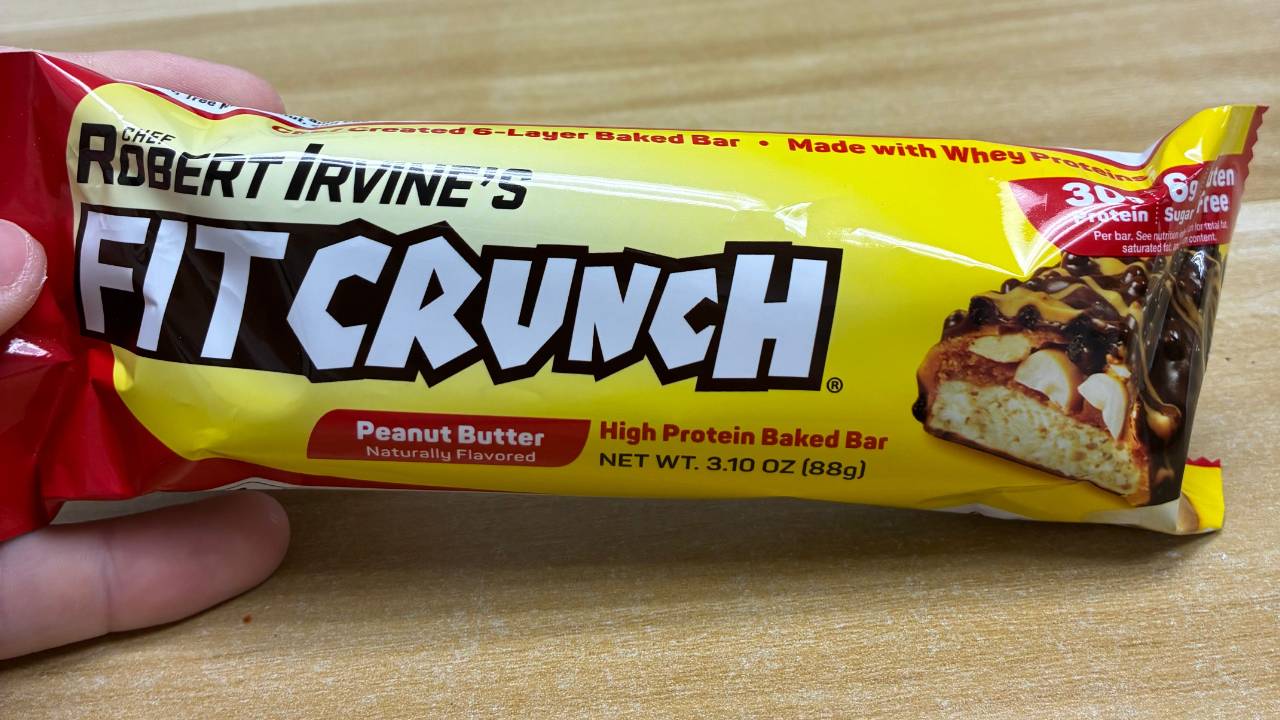
- Protein bars
- Beef jerky
- Whole-grain bread
These foods are processed too. But they're often rich in protein, fiber, vitamins, minerals, or other nutrients that can help people reach their health and fitness goals. These are foods you can definitely eat more often.
Ultimately, when determining if a food is healthy or not, the question shouldn't be: "Is it processed?"
The better question is: "Does this food help me build a healthy diet?"
So What Makes a Food Healthy?
Before we can label an individual food as healthy or unhealthy, we first need to define what a healthy diet actually looks like.
To us, a healthy diet is one that:
- Helps you maintain a healthy body weight.
- Provides enough protein, fiber, vitamins, minerals, and healthy fats.
- Supports your activity level and lifestyle.
- Is enjoyable enough that you can sustain it for years, not weeks.
If a food helps you accomplish those things, it can absolutely have a place in a healthy diet.
For example, a protein shake (which some would argue is unhealthy because it is processed) is simply a convenient way to increase protein intake without adding hundreds of unnecessary calories. For a busy dad juggling work, family, etc., that's a healthy choice. Is it perfect? No, but it is better than a lot of other potential choices.
The 80/20 Rule We Teach Every Client
At The Six Pack Dad Tribe, we don't tell clients to eliminate every processed food. This isn't helpful, nor sustainable. Instead, we encourage them to build their diet around whole, minimally processed foods about 80% of the time.
That means plenty of:
- Lean proteins
- Fruits
- Vegetables
- Whole grains
- Potatoes
- Beans and legumes
- Dairy
- Healthy fats
The remaining 20% leaves room for flexibility and imperfect action.
- Maybe that's a protein bar between meetings.
- Maybe it's dessert with your kids.
- Maybe it's pizza on date night.
We find that this flexibility often makes healthy eating far more sustainable than chasing perfection.
Remember that your body responds to the overall pattern of your eating, not isolated meals or individual foods.
So strive for "consistently good enough,” not perfection.
Book a free exploratory call here: https://thesixpackdadtribe.com/call